

Fieldwork
Put Classroom Learning Into Practice
You’ve learned the fundamentals of occupational therapy in the classroom. Now it’s time to take that book learning and put it into practice – in real settings with real people. Your fieldwork experience will give you the opportunity to do just that, applying your coursework to hands-on experiences in a wide range of settings.
You’ll progress through two levels of fieldwork. Shorter Level I experiences are integrated into your didactic coursework and introduce you to occupational therapy practice across diverse populations and sites. Two immersive Level II experiences – Fieldwork IIA and Fieldwork IIB – will then help you develop the clinical reasoning, professional skills and entry-level competence needed to begin your career.
Throughout the process, you’ll be supported by faculty who will assist in setting up your experiences and remain connected to you while you’re working in the field.
Your Fieldwork Pathway
Fieldwork is integrated into the second year of the eight-semester OTD program. Level I fieldwork begins in semester three and continues into semester four. Level II fieldwork takes place during semesters five and six, when you’ll complete two off-campus placements of 12 weeks each.
The two Level II placements occur consecutively. During the first, you’ll apply the theories and skills developed in your coursework. During the second, you’ll build on that experience in a different clinical setting or practice area.
Level I: Exploring the Occupational Therapy Profession
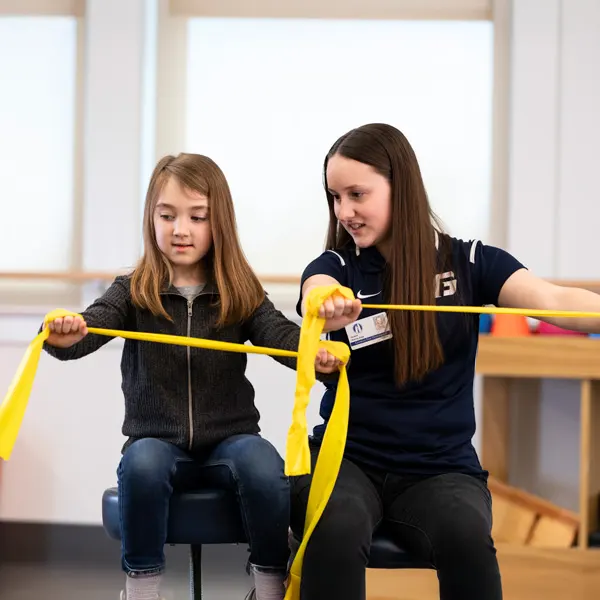
Level I fieldwork experiences help you understand what occupational therapy looks like across the lifespan. These assignments are integrated into courses focused on pediatrics and adolescence, psychosocial and community settings, and clinical applications in adulthood and gerontology.
Depending on the course and assignment, you may participate in aspects of OT that include:
- Observing and conducting assessments
- Helping plan or deliver interventions
- Examining how a person’s environment affects participation
- Learning how therapists document care
- Considering discharge needs and next steps
- Reflecting on professional communication and therapeutic use of self
Level I fieldwork does not have a universal required number of hours. The length and structure vary by course, but George Fox designs the experiences so all students receive comparable opportunities to meet the same learning objectives.
Level II: Becoming an Entry-Level Practitioner
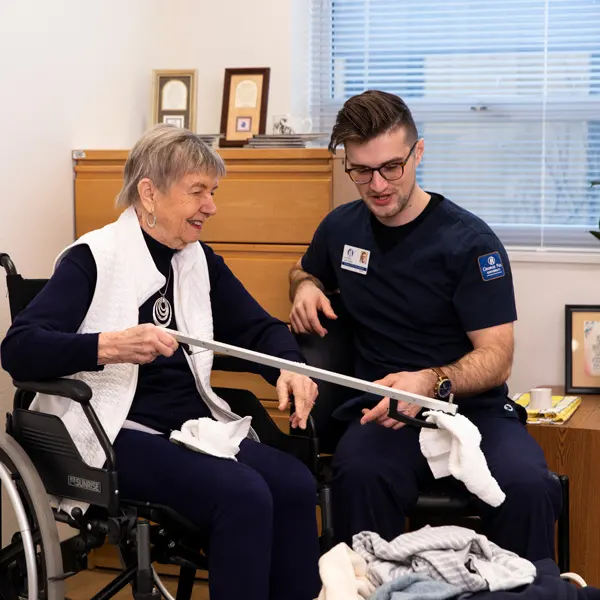
Level II fieldwork is where your professional identity comes into focus. Working full time in a practice environment, you’ll gradually assume greater responsibility as your skills and confidence develop.
You’ll learn to move beyond following a textbook process and make sound decisions for the person in front of you. A client may have several diagnoses, a complicated home environment, or goals that require an entirely different approach than you initially expected. Fieldwork teaches you to adapt, think on your feet, and make decisions that protect client safety while promoting meaningful participation.
Depending on the setting, you may develop skills related to:
- Evaluation and treatment planning
- Clinical reasoning and evidence-informed decision-making
- Safe transfers and mobility
- Vital-sign monitoring and client safety
- Documentation and communication
- Collaboration with clients, families and healthcare teams
- Time and caseload management
- Ethical and professional practice
By the end of a Level II experience, you’re expected to demonstrate entry-level competence in that practice area. Your learning also extends beyond the individual site, helping you to think broadly as an occupational therapy generalist and prepare for the national certification examination.
After completing Level II fieldwork, you’ll continue into the doctoral portion of the program, including advanced coursework and a 14-week doctoral capstone experience.
Learn in Diverse Practice Settings
Occupational therapists work wherever people need support participating in everyday life. Our students gain exposure to traditional healthcare environments as well as educational, community-based and emerging areas of practice.
Placement settings may include:
- Acute-care hospitals
- Pediatric hospitals
- Skilled nursing facilities
- Schools
- Early-intervention programs
- Outpatient pediatric clinics
- Adult hand-therapy clinics
- Outpatient neurological rehabilitation
- Mental and behavioral health programs
- Home-health services
- Community-based organizations
George Fox students have completed or been matched with experiences in the Portland metropolitan area, Eugene, Vancouver and Longview, as well as other communities in Oregon and beyond.
Placement locations and opportunities vary from year to year based on site availability, student interests and the fit between a student and fieldwork setting.
A Placement Process Built Around Your Interests
You won’t be expected to find and arrange your Level II placements on your own. Our fieldwork coordinator maintains relationships and agreements with clinical sites and guides you through a structured, collaborative placement process.
You’ll begin by completing an interest form that identifies your preferred practice settings, geographic areas and potential sites. You’ll also have access to information about organizations with which George Fox has established relationships.
The fieldwork coordinator then considers:
- Your professional interests
- The populations you hope to serve
- Your geographic preferences
- Available placement opportunities
- Your learning needs and strengths
- Your potential fit with the site and fieldwork educator
The program contacts prospective sites, coordinates agreements and manages placement arrangements. Should you have a connection with an organization that may offer an appropriate learning experience, you may share that contact with the fieldwork director, who will determine whether a placement can be developed.
The goal is to personalize the experience as much as possible. Because placement availability changes and sites make their own participation decisions, a particular organization, setting or location can’t be guaranteed. Faculty will communicate with you about possible matches and help you understand the educational value of each opportunity.
Your placements may also confirm an existing career goal or introduce you to an area of occupational therapy you hadn’t previously considered.
Supported in the Field
At George Fox, being away from campus doesn’t mean being on your own.
-
Each Level II student works with an on-site fieldwork educator who provides supervision, guidance and regular feedback. Supervision is more direct at the beginning of the experience and changes as you demonstrate greater competence and independence.
-
Students and supervisors complete structured progress check-ins during the placement, and you’ll connect with fellow students through discussion posts, a way of checking in with each other throughout the time.
-
A formal midterm evaluation takes place at six weeks, followed by a final evaluation using a nationally recognized occupational therapy fieldwork assessment. Students must meet the required performance standard to pass the experience.
The George Fox fieldwork coordinator also remains actively involved. Support may include:
- Cohort check-ins during the semester
- Online discussions with classmates
- Individual consultation as questions arise
- In-person visits to sites within reasonable driving distance
- Virtual visits for more distant placements
- Communication with the fieldwork educator when support is needed
These points of connection allow you to learn from the experiences of your cohort, address challenges early, and continue feeling part of the George Fox community.
Faculty approach fieldwork as a collaboration with students who are becoming future colleagues. They’ll encourage you to meet the profession’s standards while making sure you remain known, supported and challenged throughout the process.
Planning for Fieldwork
The OTD is a full-time program, and Level II fieldwork should be approached as full-time professional training. Your schedule will follow the operating hours and expectations of your assigned site, which may differ from your normal classroom schedule.
Some students maintain limited part-time employment, such as occasional evening or weekend work. However, outside employment must be arranged around fieldwork responsibilities and can’t interfere with the hours, preparation or performance required by the placement.
Level II fieldwork placements are unpaid. Students should plan ahead for living expenses, transportation and the possibility of completing a placement outside their immediate community.
In exceptional circumstances involving significant financial, childcare, family or personal hardship, an extended part-time placement may be considered individually. Such arrangements are exceptions, must meet program and accreditation requirements, and may delay a student’s progression or graduation.
Serve With Skill and Compassion
Fieldwork is where you combine your book knowledge with technical, hands-on practice – and a future career begins to take shape.
Through broad Level I exposure, intensive Level II training and personalized support from faculty and fieldwork educators, you’ll develop the skills to provide safe, evidence-informed and person-centered care. You’ll graduate prepared not only to enter the profession, but to serve individuals and communities with compassion, integrity and hope.
Questions?
Micki Kleven, OTD, OTR/L, ATP/SMS
Academic Fieldwork Coordinator
Assistant Professor of Occupational Therapy
Areas of Expertise
- Assistive technology
- Fieldwork
- Home modifications
- Long-term care
- Adult outpatient