
A Day in the Life of a Psychiatric Mental Health Nurse Practitioner (PMHNP)
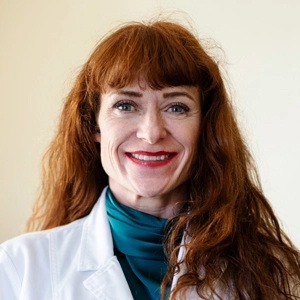
by April Phillips, DNP, PMHNP-BC, FNP-C
The Day Begins Before the First Patient Arrives
My workday usually begins with a cup of coffee.
I walk down the hall from my kitchen to my home office, settle into my chair, and open the chart of my first patient. Before the camera turns on and before I say, “How have you been since we last talked?” I spend a few quiet moments preparing.
I review our last visit. How were they sleeping? Did we change a medication? Were they preparing for a difficult conversation with their family? Had anxiety been keeping them from going to work? Was there something they mentioned almost in passing that I want to make sure we return to today?
Psychiatric care is rarely about simply moving from symptom to diagnosis to prescription. Every appointment is another chapter in a much larger story.
As I prepare, I am thinking not only about symptoms and medications, but about the person I am about to meet.
What has changed since I saw them last? What questions do I need to ask? What might I be missing? And how can I best support this person in moving toward the life they want?
Then I take another sip of coffee, take several meditative breaths, and I begin.
The Human Moment
One of the extraordinary things about being a psychiatric mental health nurse practitioner (PMHNP) is that people invite you into parts of their lives that they may share with very few others.
Throughout the day, I hear stories of struggle, courage, grief, trauma, relationships, fear, recovery and hope.
Someone may tell me that they slept through the night for the first time in months.
Another patient may finally say aloud something they have carried silently for years.
Someone else may arrive discouraged because the medication we hoped would help has not worked as well as we expected.
And another may tell me, smiling, “ I feel like myself again.”
These are the moments that make psychiatric practice deeply human.
I never want to lose sight of the vulnerability required to sit across from another person – even through a computer screen – and talk honestly about depression, trauma, suicidal thoughts, substance use, psychosis, relationships, or the parts of life that hurt the most.
Being trusted with those stories is an enormous privilege.
Walking Beside Someone Through the Healing Journey
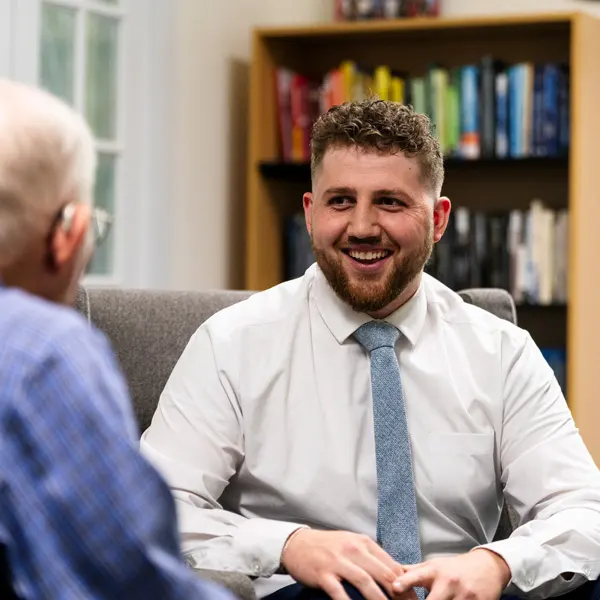
Unlike many areas of healthcare in which a clinician may meet a patient only once or twice, psychiatric practice often allows us to know our patients over months – and sometimes years. That means we get to witness something remarkable: change over time.
The patient who once struggled to leave the house may eventually tell you about starting a new job.
The teenager who initially answered every question with a shrug may one day begin talking about college.
The person who once believed life would never feel different may begin making plans for a future they could not previously imagine.
Progress is rarely a straight line. There are setbacks, medication changes, difficult weeks, relapses, losses, and moments when both patient and clinician need to reconsider the plan.
That is part of the work.
PMHNPs do not simply treat diagnoses. At our best, we form therapeutic partnerships with people and help them build a path toward recovery, stability, meaning, and greater quality of life.
No Two PMHNP Careers Look Exactly Alike
Another remarkable feature of becoming a PMHNP is the versatility of the profession.
The rhythm of my day working from a home office may look completely different from that of a PMHNP working in an inpatient psychiatric hospital, rural community health center, Veterans Affairs facility, addiction treatment program, emergency department, or integrated primary care clinic.
The number of patients a PMHNP sees in a day can vary tremendously, but I usually see 10 to 14 patients in a day. I have one-hour appointments for new patients and 30-minute appointments for follow-ups. Most PMHNPs work eight to 10 hours per day and 40 hours per week.
Inpatient Psychiatric Care
Imagine beginning your morning on a psychiatric unit where every room represents a different clinical puzzle.
One patient may be experiencing their first episode of psychosis. Another may be hospitalized with severe depression and suicidal thoughts. Another may be experiencing mania, substance-induced symptoms, or a complex combination of psychiatric and medical conditions.
Inpatient psychiatric practice can be fast-paced and clinically challenging. PMHNPs assess patients, develop differential diagnoses, manage medications, evaluate safety, collaborate with interdisciplinary teams, communicate with families, and help determine when patients are ready to transition safely to the next level of care.
For clinicians who enjoy complexity and variety, it can be an incredibly rewarding environment.
Rural Hospitals and Community Health Centers
Now imagine practicing in a small rural community. There may not be a psychiatrist down the hall – or even in the county. You may be the psychiatric specialist whom primary care providers call when they encounter a patient whose needs exceed what they can reasonably manage alone.
That level of responsibility requires independence, strong clinical judgment, collaboration and humility. It also creates an extraordinary opportunity to bring psychiatric care to communities where patients might otherwise travel hours or wait months for treatment.
In some communities, the arrival of a PMHNP can fundamentally change access to mental healthcare.
Office-Based and Telepsychiatry Practice
For other PMHNPs, the day may look more like mine. You may walk into a private office – or simply down the hallway of your home – open your computer, and begin seeing patients through telepsychiatry.
Office-based practice can offer tremendous flexibility. Many practices operate primarily during traditional business hours, with limited or no nights, weekends, holidays, or call responsibilities depending upon the position.
For PMHNPs seeking meaningful clinical work while maintaining greater control over their schedules, outpatient and telepsychiatry practice can provide an attractive balance.
More Than Prescribing Medication
One misconception about PMHNP practice is that our role begins and ends with medication management.
It does not.
A prescription may be one component of treatment, but psychiatric care is much broader.
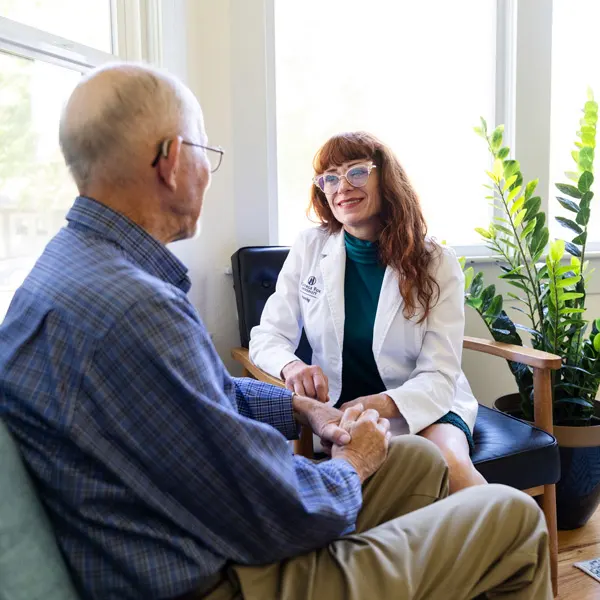
During a single appointment, I may evaluate medication effectiveness, assess suicide risk, explore sleep and lifestyle factors, provide supportive psychotherapy, discuss coping strategies, order laboratory testing, consider medical causes of psychiatric symptoms, coordinate with another healthcare provider, provide education, and collaborate with the patient on what should happen next.
That final piece matters enormously.
Psychiatric treatment should not simply be something we do to patients. Whenever possible, it should be something we develop with them.
Collaboration, Autonomy, and Leadership
PMHNPs also occupy an important position within the larger healthcare system.
We collaborate with primary care providers, psychologists, therapists, social workers, pharmacists, nurses, physicians, educators, case managers, and community organizations. Depending upon the practice environment and state laws, PMHNPs may also serve as independent providers, clinical leaders, educators, program directors, researchers, business owners, or healthcare executives.
The profession provides opportunities not only to care for individual patients, but also to improve the systems in which those patients receive care.
Turning Clinical Questions Into Research
Sometimes the questions that arise in clinical practice become the beginning of something much larger.
Why isn't this intervention working for this population?
Could we identify suicide risk earlier?
Could technology help patients in rural communities receive care sooner?
Is there a better way to prepare clinicians to recognize trauma, psychosis, or substance use disorders?
PMHNPs participate in research, quality improvement, and evidence-based practice initiatives that help answer questions like these. They study therapeutic approaches, medications, care-delivery models, technologies, and interventions designed to improve mental health outcomes.
In this way, the questions we encounter while caring for one patient can ultimately contribute to better care for thousands of patients.
Advocacy Beyond the Office
Some of the most important work PMHNPs do occurs far beyond the walls of a clinic.
Healthcare policy determines who can access care, where clinicians can practice, how services are reimbursed, and whether providers are able to practice to the full extent of their education and training.
PMHNPs therefore have an important voice in healthcare advocacy.
Through professional organizations such as the American Association of Nurse Practitioners (AANP), nurse practitioners can engage with state legislatures, policymakers, and Congress on issues affecting the profession and the patients we serve.
For psychiatric providers, advocacy is particularly important in rural and underserved communities, where unnecessary barriers to practice can translate directly into longer waits and fewer options for people seeking mental healthcare.
Sometimes caring for patients means sitting beside them in an exam room.
Sometimes it means speaking for them in a legislative hearing room.
Both are forms of advocacy.
The Reward Is More Than a Paycheck
PMHNP practice can provide an excellent income, professional autonomy, flexibility, and numerous career opportunities.
But those are not the moments I remember most.
I remember the patient who comes back looking different – not because of a dramatic physical transformation, but because there is hope in their face again.
I remember the person who tells me they repaired a relationship they thought they had lost.
I remember the patient who once struggled simply to make it through the day telling me about plans for the future.
The responsibility is significant. There will be difficult conversations. There will be patients whose stories stay with you after the workday ends. There will be moments of uncertainty, crisis and loss.
That is why self-care is not an optional luxury in psychiatric practice. It is a professional skill. We must learn how to care deeply without carrying every patient's pain home with us.
The reward comes from knowing that, during some of the most vulnerable moments of another person's life, you had the opportunity to walk beside them. And sometimes, years later, you have the privilege of looking back together and seeing just how far they have come.
Further Reading
In another article, April Phillips wrote about what she sees as the most important skills for a PMHNP. The list might look a little different from others you’ve seen – the first one is curiosity.
Learn more about George Fox University’s hybrid-online PMHNP program in Oregon