
Our Students. Their Stories.
Some are drawn to children and families, helping them build confidence in the routines of daily life. Others feel called to serve veterans, older adults, people navigating mobility challenges, or rural communities where every practitioner’s presence matters.
Wherever they serve, students in George Fox’s Occupational Therapy Program bring creativity, compassion and holistic care to the work of helping people reclaim what matters most: independence, dignity and hope.
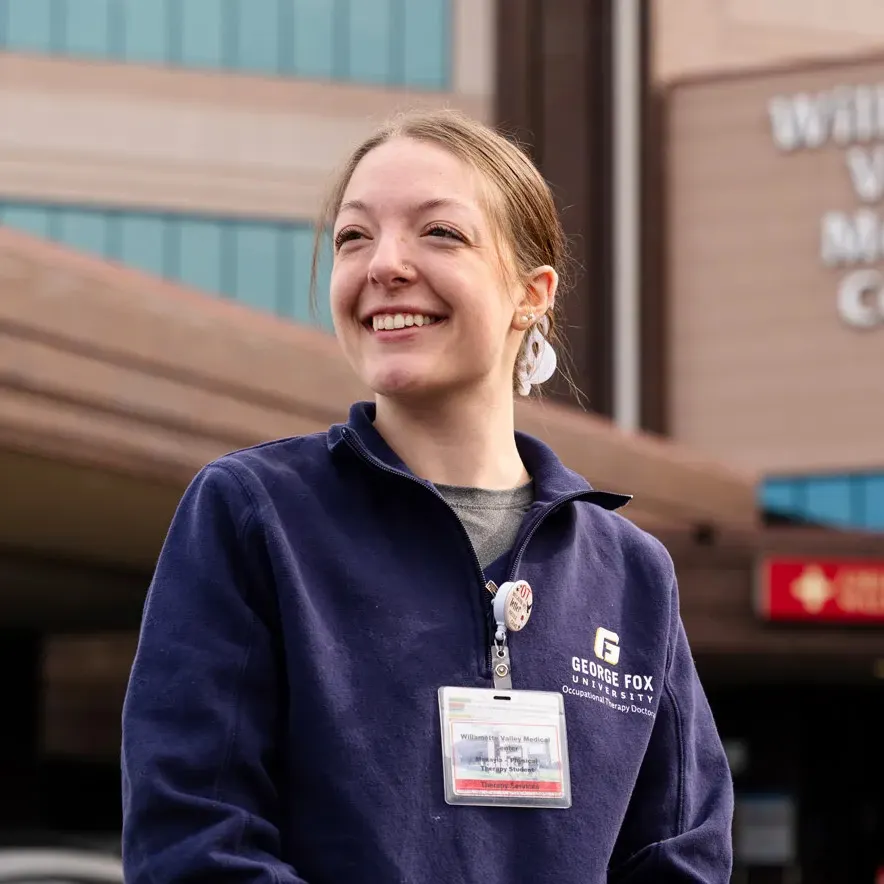
‘Patient care comes first’
Makayla Clark’s path to occupational therapy began with a desire to help people regain independence and was further confirmed through her experience as an Army National Guard member and ROTC cadet. Her time in the military deepened her belief that empathy is not a liability but a leadership strength.
“If you know your strength is empathetic leadership, then lean into that strength because more people respect you,” she says. “That’s what I was told, and it really hit me. Don’t let anyone change that for you.”
Clark’s capstone research focused on neurological conditions, including Parkinson’s and Alzheimer’s disease, in veterans exposed to environmental factors. At the heart of that research is her desire to give veterans, and every person, the ability to live to their greatest capacity. “I want to be someone who can be there for patients, who listens to them,” she says.
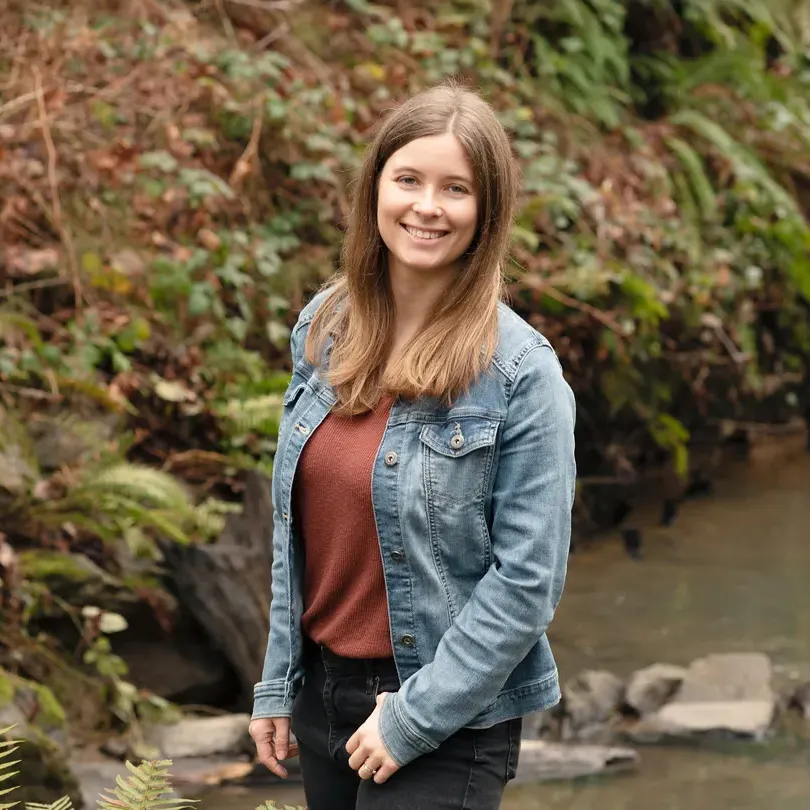
‘It’s allowing people to have the freedom to engage in their lives’
Elizabeth Schroeder grew up constantly in motion, but her appreciation of mobility didn’t really hit home until she experienced what it felt like to trust another person with a basic movement during OT training.
As a psychology and social work student at George Fox, she worked with children facing behavioral and sensory challenges, where she saw how occupational therapy could help families understand what was really happening beneath the surface.
Her interest in assistive technology grew through hands-on work with wheelchair seating, mobility, patient transfers and simulated apartment care. Now, Schroeder hopes to help people with mobility needs gain fuller access to their homes, public spaces and daily lives. “I would love to be helping people with physical mobility stuff,” she says. “If you can’t get somewhere, it’s really hard to go out and be a part of the world around you.”
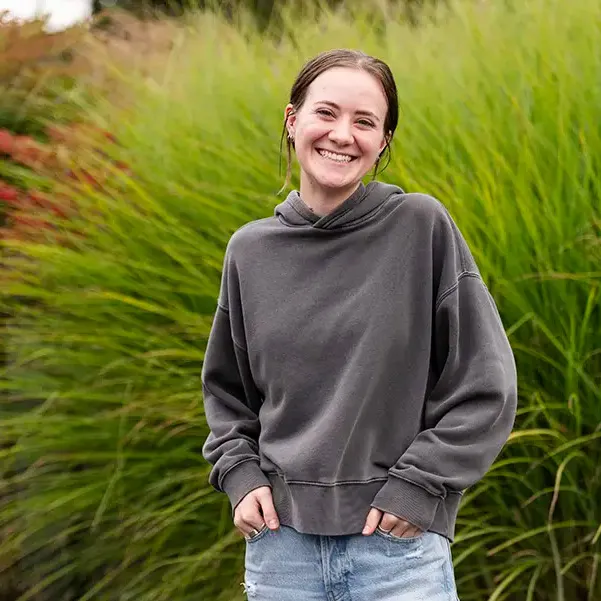
‘Every Single Person Is Unique’
After exploring several healthcare careers while studying human biology at a university in California, Laurel Anderson discovered OT and realized it combined her desire to help people with the creative problem-solving that energizes her.
Volunteer experiences with children and older adults showed her how versatile occupational therapy can be, especially when patients need help reclaiming activities that bring joy, identity and autonomy. One memorable example involved helping an elderly painter with tremors learn to steady a paintbrush so he could continue doing work that mattered to him.
Occupational therapy allows Anderson to engage the innovative part of her brain while doing the one thing she wanted to do all along: help people. “What drew me to OT is the creativity aspect of it,” she says. “Coming up with therapy modalities and different types of intervention plans requires creativity.”
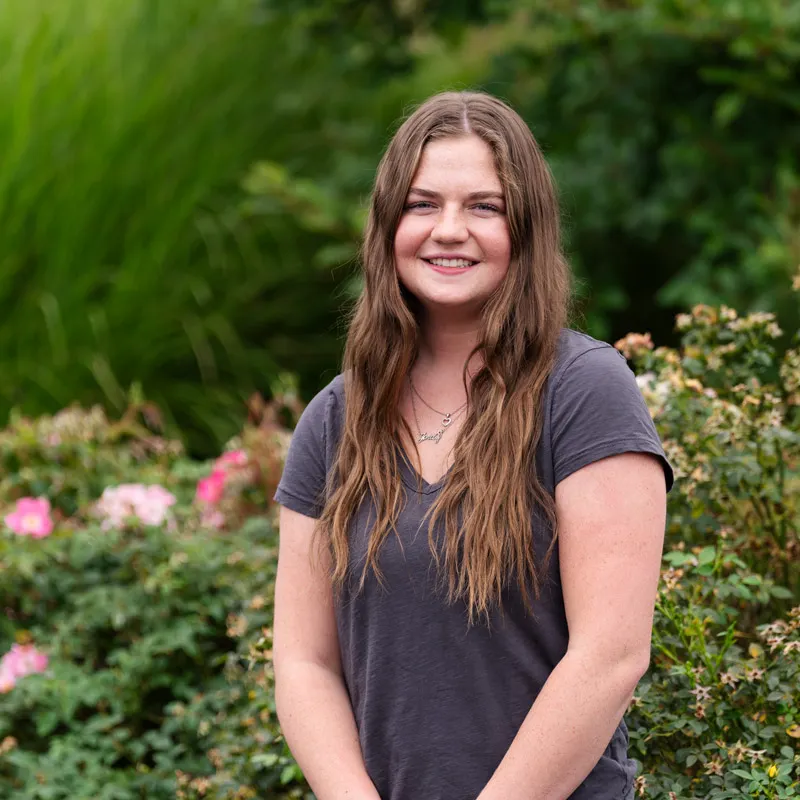
‘Treat Your Patients Holistically’
Jordyn Grabenhorst’s interest in occupational therapy began when she was 8 years old, when she would accompany her younger brother to OT appointments as he received support for childhood epilepsy and motor-function challenges. Watching therapists help him build fine-motor skills planted an early sense of calling that continued to grow through job shadowing.
For Grabenhorst, OT is a way to extend the kindness her brother received to other children and families. Her understanding of holistic care has been shaped by the idea that patients are more than a diagnosis; their background, environment and personhood all matter.
“I’m passionate about OT because I’ve been able to see it firsthand through my brother,” she says. “I’ve seen the impact it’s made for him and how much it’s helped him. I want to help others in the same way that he was helped.”
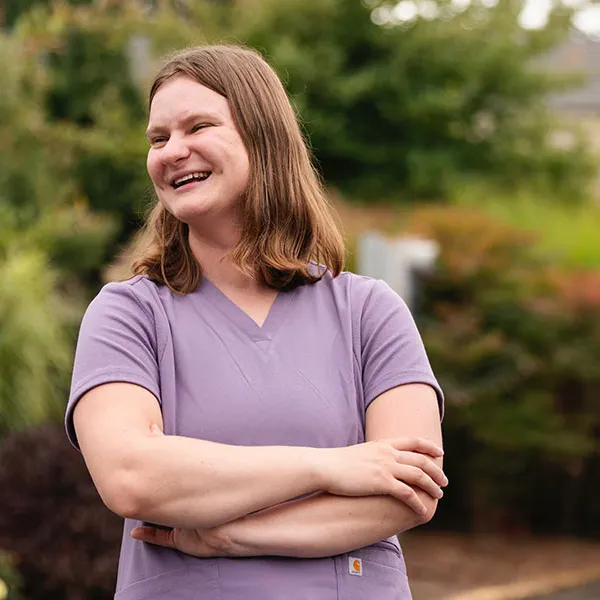
‘You want to understand where they come from’
Oksana Tompkins didn’t even know what occupational therapy was until she started working at the only hospital in the small rural town of Enterprise, Oregon, in 2023.
There, she saw how closely medical professionals collaborate and how deeply they know their patients. The opportunity to work alongside physical and occupational therapists in hospital, outpatient, pediatric and older-adult settings opened her eyes to the possibility of a career she previously hadn’t considered.
Her experience of growing up in a Russian orphanage until being adopted at 7 also factored into her vocational calling. “One of the reasons I’m passionate about occupational therapy is to learn about child development and kind of piece together what I missed out on when I was growing up in the orphanage,” she says.