
PA Clinical Education
Learn to Serve Where Care Is Needed Most
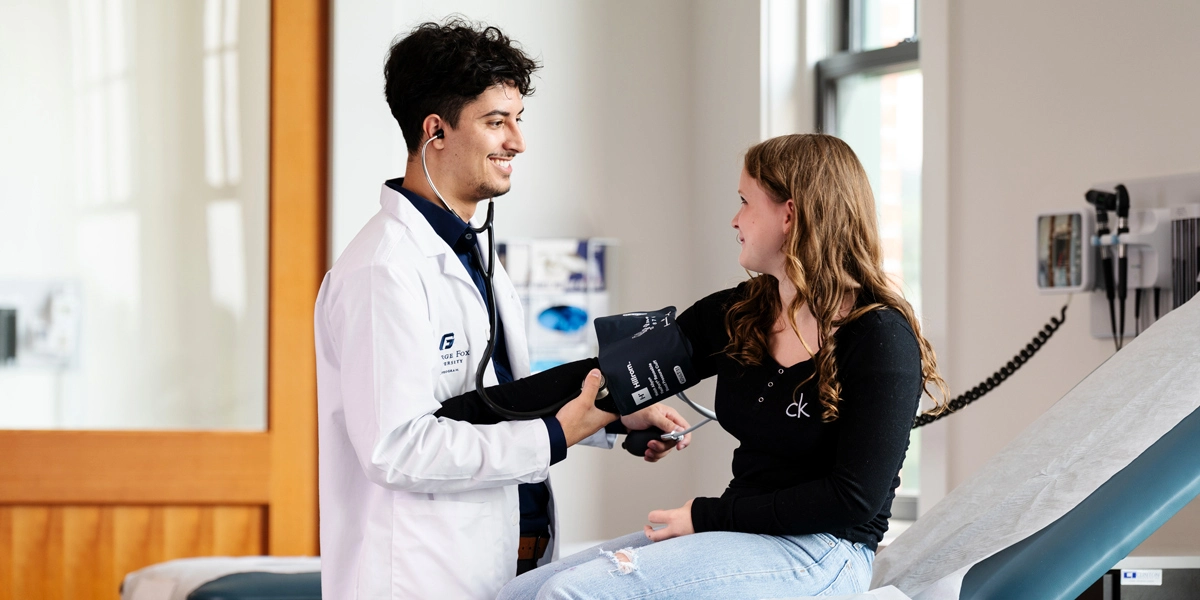
Clinical education is where your PA training gets put into practice. After building a strong foundation in medical knowledge, patient care, clinical reasoning and problem-solving, you’ll step into supervised clinical practice experiences that prepare you to serve patients across the lifespan and in a wide range of care settings.
At George Fox, that journey is rooted in a larger purpose: expanding access to compassionate, high-quality care for people and communities that need it most. Our PA program places a special emphasis on rural and medically underserved communities, preparing graduates to bring skill, humility and service to places where their work can make a lasting difference.
And you won’t have to find your clinical rotations on your own. We’ll identify and coordinate clinical practice placements for you, working to provide supervised experiences that support course learning outcomes and program goals to help you grow into a capable, compassionate provider.
What to Expect
Your 12-month, three-semester clinical education training begins after the didactic phase of the program, when you move from classroom-based learning into supervised patient care experiences. Before starting clinical rotations, you’ll complete three intensive courses designed to prepare you for the transition into practice:
- Principles of General Surgery
- Principles of Emergency Medicine
- Transition to Clerkships
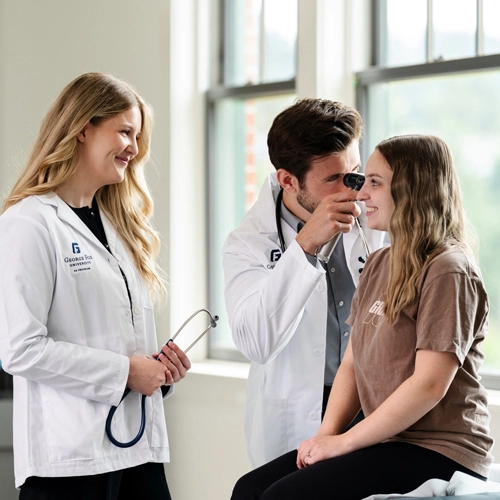
From there, you’ll complete supervised clinical practice experiences, also known as SCPEs, across core disciplines of medicine. These rotations, conducted in hospitals and clinics, are designed to help you apply what you have learned, strengthen your clinical judgment, and develop the habits of professional practice.
Finally, the summative phase evaluates student attainment of graduate competencies and occurs during the last month of the program.
Clinical Experiences
George Fox PA students complete clinical experiences in the following areas:
- Family medicine
- Internal medicine
- Emergency medicine
- Surgery medicine
- Pediatric medicine
- Women’s health
- Behavioral and mental health
- Primary care elective
- Elective clinical experiences
These experiences will expose you to preventive, emergent, acute and chronic patient care. They also provide opportunities to serve patients across the lifespan, including infants, children, adolescents, adults and older adults.
Care Settings
During the clinical phase, you’re exposed to a variety of care settings, including:
- Outpatient clinics
- Emergency departments
- Inpatient care settings
- Operating rooms
- Primary care environments
- Rural and medically underserved communities
- Health professional shortage areas
- Medically underserved areas and populations
Rather than limiting your education to one type of practice environment, the clinical year gives you a broader view of what it means to care for people in different circumstances, communities and stages of life.
Serving the Underserved
Healthcare access is not the same for every person or every community. Some patients face barriers related to geography, income, provider shortages, transportation, language, culture or past experiences with the medical system.
As a George Fox PA student, you’ll be prepared to meet patients with both clinical excellence and deep compassion. You’ll learn to see beyond symptoms, listen well, build trust and recognize the dignity of every person in your care.
That commitment reflects the heart of the George Fox PA program: preparing graduates who are ready to serve in primary care and medically underserved communities. In recent years, every George Fox PA student has completed multiple clinical rotations in medically underserved areas, with medically underserved populations or in health professional shortage areas.

“If you take care of the community, it will take care of you.”
2023 graduate Tia Kinilau
Supported Through the Process
Clinical rotations are a major part of PA education, but you won’t navigate the process alone. George Fox coordinates clinical placements for students, which means you’re not responsible for setting up your own rotations.
Our faculty and clinical education team work with you throughout the process, taking into account program requirements, placement availability and your goals. The result is a clinical education experience designed to help you grow personally and professionally while meeting the competencies required for graduation from the PA program.
The Clinical Education Journey
Your clinical year is designed to move you from preparation to practice:
-
Prepare for Clerkships
Before rotations begin, you’ll complete intensive courses that help you transition into supervised clinical practice, including focused preparation in surgery, emergency medicine and clerkship expectations.
-
Enter Supervised Clinical Practice
You’ll participate in clinical rotations with licensed physicians, PAs and other vetted clinical preceptors. These experiences allow you to apply your training in real patient care settings.
-
Build Breadth Across Disciplines
Through core rotations and electives, you’ll develop experience in primary care, emergency care, surgery, pediatrics, women’s health, behavioral health and other areas of medicine.
-
Serve Diverse Patient Populations
You’ll care for patients across the lifespan and encounter a wide range of medical needs, including preventive, acute, chronic and emergent care.
-
Grow Into Your Calling
By the end of the clinical phase, you’ll have taken meaningful steps toward becoming a PA who is prepared to serve with competence, compassion and purpose.
Partner With Us as a Preceptor
Clinical preceptors play a vital role in preparing the next generation of physician associates/assistants. By mentoring George Fox PA students, preceptors help shape skilled, service-minded providers who are prepared to meet real needs in their communities.