
PsyD Mentoring
Mentored From the Start
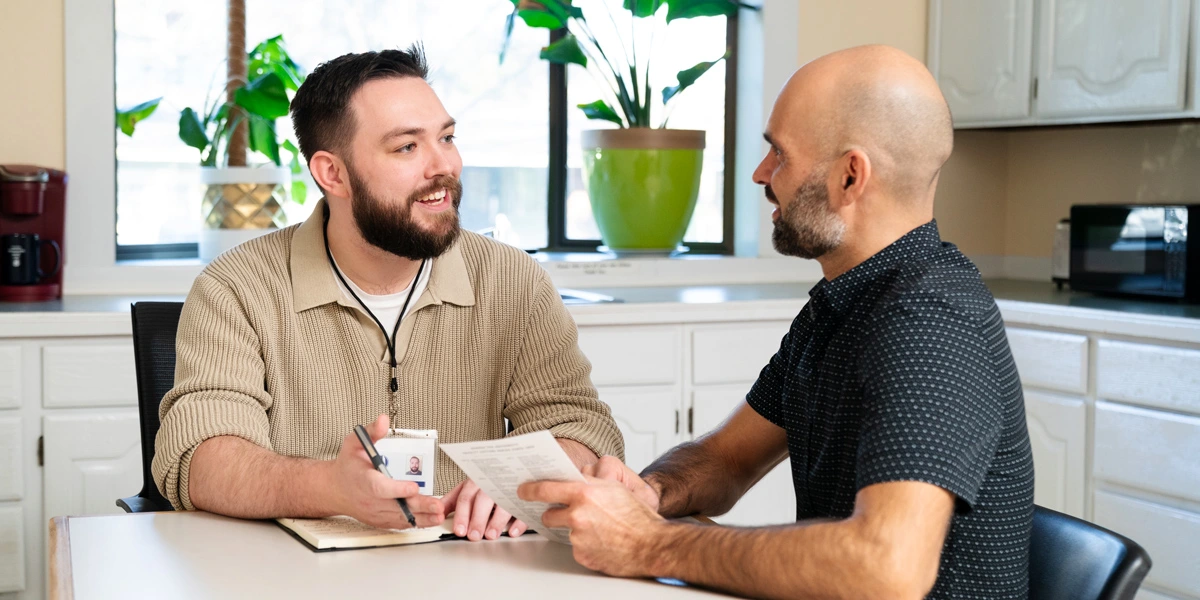
Mentoring is woven into the DNA of the George Fox PsyD program. From Day 1, students are welcomed into a caring community of faculty, peers, advisors, research leaders and spiritual directors who help them navigate the challenges and opportunities of doctoral education.
This model reflects our conviction that no one should journey through this program – or through life – alone. As you move through coursework, clinical training, research, internship preparation and professional formation, mentoring provides the encouragement, wisdom and practical support you’ll need to thrive.
What Mentoring Looks Like
Mentoring in the PsyD program is not limited to one person or one formal meeting. Instead, students are supported by a network of mentors who come alongside them at different points in their journey.
That network may include:
- A peer mentor who helps incoming students transition into the program
- A dedicated academic advisor who supports academic planning and progress
- A dissertation chair who guides students through original research
- A research team leader who helps students grow as scholars and collaborators
- Faculty mentors who emerge through classroom, research and professional connections
- A spiritual director who provides a confidential space for reflection, growth and vocational discernment
- Supervisors, cohort members and alumni who help students prepare for clinical practice
Together, these relationships create a layered model of support. You’ll have people you can turn to for academic questions, professional guidance, encouragement, accountability and perspective.
Peer Mentoring That Begins Before Classes
Mentoring begins before you set foot on campus.
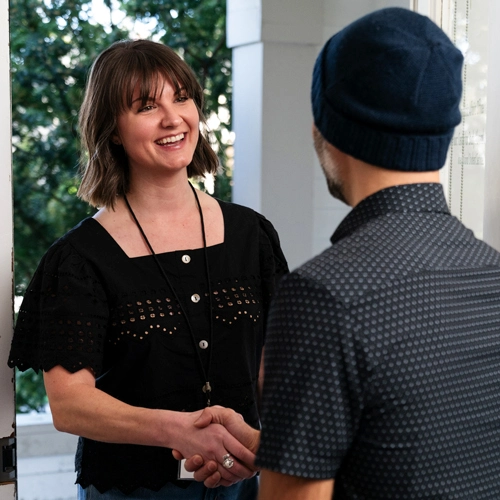
Upon joining the program, you’re matched with a current student who serves as a peer mentor. This person becomes a first point of connection – someone who can answer questions, offer encouragement and help you feel at home before the first day of class.
For students relocating to Newberg from across the country or around the world, that relationship can be especially meaningful. Peer mentors help with the practical questions that come with starting a doctoral program, from how to manage the pace of graduate school to where to find a good cup of coffee, community and support. The relationship only grows over time.
In your second year, you have the opportunity to become a mentor for new incoming students. By this point you’re still close enough to remember the questions and concerns of starting the program, but experienced enough to help someone else find their footing.
In this way, mentoring is ingrained in our culture. Students are not only mentored; they learn to mentor others.
Our students self-report to APA that they have six mentors (on average) throughout their program – considerably more than the typical APA average of one to two mentors through the life of a program.
Faculty Who Know and Invest in Students
Faculty mentoring is another central part of the PsyD experience. Our faculty members bring strong academic preparation, clinical experience and research expertise to the program, but their role extends beyond instruction.
Students are supported by faculty who care about their development as whole people. Through academic advising, research teams, dissertation work, classroom relationships and informal conversations, faculty help students think carefully about their growth, calling and future work as psychologists.
Faculty mentors help students make meaning of the many layers of doctoral training. They support students as they balance rigorous coursework, original research, clinical training and the emotional demands of preparing to serve people experiencing significant distress. Mentoring helps students stay grounded, avoid isolation and continue moving toward their professional goals.
Spiritual Companioning and Vocational Formation
Because George Fox’s PsyD program is shaped by a Christian university context, mentoring also includes attention to the inner life of the student.
Alongside coursework and clinical training, students participate in spiritual companioning – a confidential, nonjudgmental space to process questions, fatigue, doubt, growth and vocation with trained spiritual companions. This form of mentoring is designed to help students reflect on who they are becoming, how their gifts are developing, and how their work in psychology can serve others.
Students from a variety of faith and nonfaith backgrounds are required to take part in this process. The goal is not to provide therapy, but to offer a guided space for reflection on personal, interpersonal and vocational growth.
Mentoring as Mission
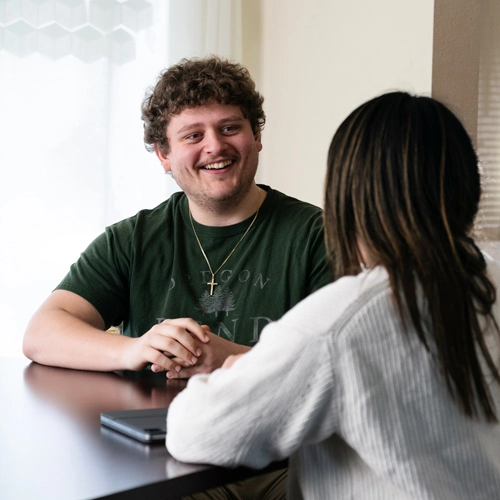
We prepare students to become clinical psychologists who serve with competence, compassion and integrity. Mentoring is vital to that mission because the work of psychology is not only technical – it is deeply human.
Students preparing for professional practice must learn how to assess, diagnose, research, listen, lead, collaborate and care for people experiencing pain. They must also learn how to sustain themselves in work that can be emotionally demanding.
Mentoring helps students integrate these parts of their education. It connects academic learning with personal formation, research with professional identity, and clinical training with a deeper sense of calling.
Through mentoring, students experience the kind of attentive, relational care they are being prepared to extend to others.
Students and faculty become such a family over the course of five years that these connections, networks and friendships last through their careers and often lifetimes.
A Roadmap of the Mentoring Journey
-
Before the Program Begins
Once students deposit into the PsyD program, they are matched with a current student mentor. Deposits are due April 15, and incoming students get matched in June or July in advance of the fall kickoff. This gives incoming students an early connection to the program and someone who can help them prepare for the transition into doctoral study.
-
First Year: Finding Your Footing
During the first year, students begin building relationships with their cohort, peer mentor, faculty members and academic advisor. Mentoring helps students adjust to the rhythm of doctoral coursework, research expectations, community life and the demands of professional formation.
-
Second Year: Becoming a Mentor
As students enter their second year, they continue receiving support while also stepping into a mentoring role for incoming students. This transition helps students grow in leadership, empathy and responsibility as they encourage others who are just beginning the journey.
-
Middle Years: Deepening Academic, Research and Clinical Identity
As students progress, mentoring expands through research teams, teaching assistants, faculty relationships, dissertation planning and clinical training. Students work with faculty and supervisors who help them clarify professional interests, develop clinical skills, and prepare for the next stages of training.
-
Dissertation and Internship Preparation
As students move toward dissertation completion and internship, mentors help them navigate major milestones, professional questions and future opportunities. Faculty, supervisors and peers provide support as students prepare to enter new clinical settings and take the next step toward professional practice.
-
Graduation and Beyond
Mentoring relationships often continue informally beyond graduation. Over the course of the program, students and faculty build relationships that can become lasting professional networks, friendships and sources of encouragement throughout a graduate’s career.
A Community Built for the Journey
The PsyD program at George Fox is designed to be rigorous, relational and deeply formative. Students are challenged to grow – but they are also known, supported and mentored along the way.
Through peer relationships, faculty guidance, research mentorship, spiritual companioning and a strong sense of community, students are surrounded by people who want to see them thrive. That support becomes one of the defining features of the George Fox PsyD experience – and one of the ways students are prepared to serve others with wisdom, humility and care.